
By Clare Maddalena, Founder of LushTums
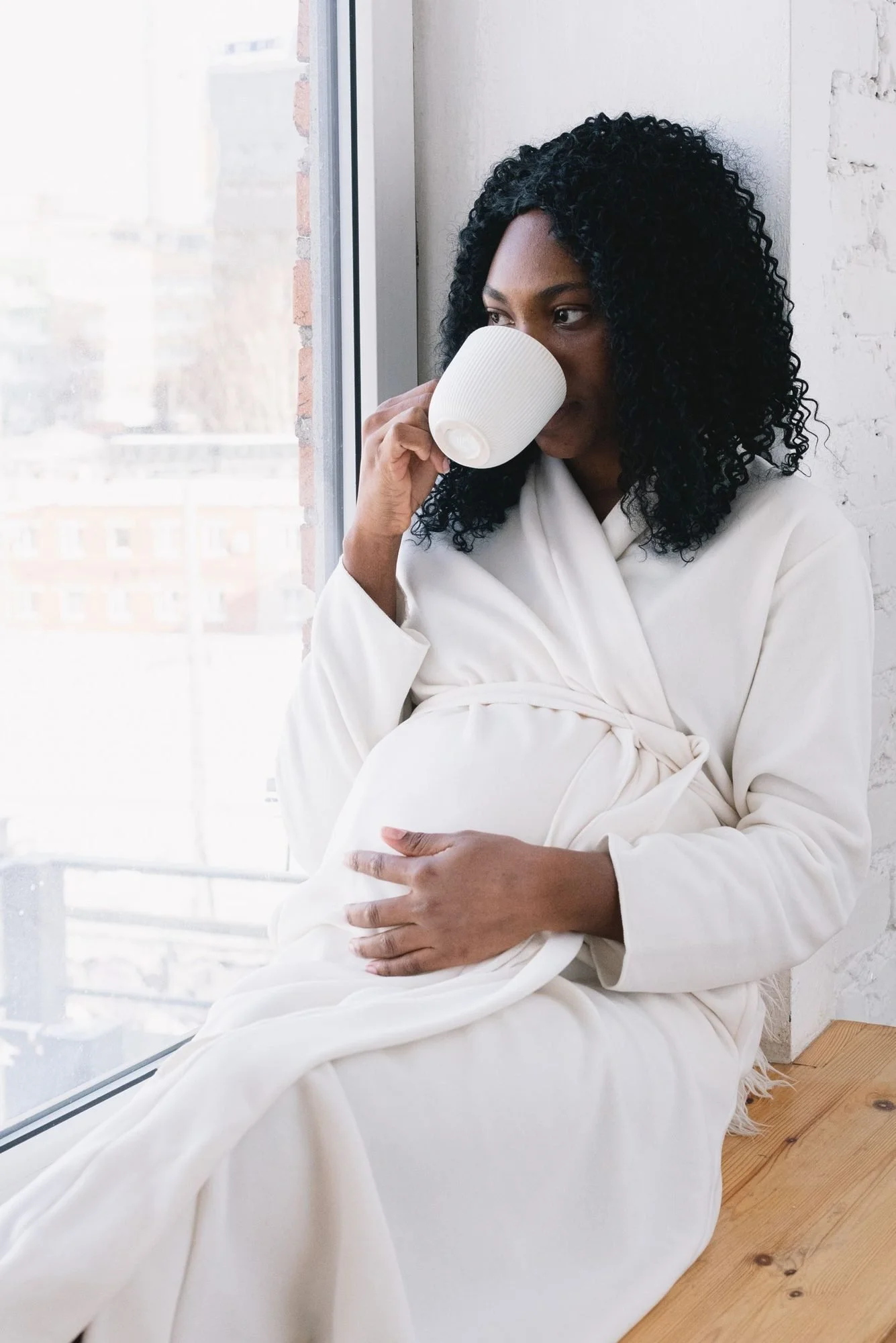
Photo: SHVETS production / Pexels
A choice only counts as a choice if the other options are actually on the table. Right now, in a lot of UK maternity care, they aren't.
Here's a conversation I hear some version of in many classes. A mum-to-be tells me she'd love a home birth. Then she adds, a bit flatly, that her midwife said the home birth service "might not be running" when she goes into labour. So she's booked in at the hospital. "It's fine," she says. "I've chosen hospital."
Has she, though? Or has the choice been made for her, quietly, by a staffing rota?
This is the bit of the maternity conversation nobody puts on a leaflet. We talk a lot about consent in the birth room (I wrote about that in The Birth Room Is the Last Bastion of Misogyny), but consent starts long before you get there. It depends on what you were offered in the first place, how honestly it was explained, and whether you could say no without being made to feel reckless.
I'll say this up front, because birth is never one-size-fits-all and there's always some grey: interventions save lives, and some women absolutely want them. I'm not judging anyone's birth here. I'm questioning a system that keeps producing the same outcomes and then calls them choices.
What informed consent actually means
Informed consent isn't a signature on a form. Since the 2015 Supreme Court case Montgomery v Lanarkshire, the law has been clear: you must be told about the material risks of what's being proposed and about the reasonable alternatives, and then it's your decision. (A small irony worth knowing: Nadine Montgomery was a diabetic mum with a big baby who wasn't told about the risk of shoulder dystocia in a vaginal birth. Exactly the territory we'll come to on induction.)

Photo: MART PRODUCTION / Pexels
So real consent needs:
Honest information: the benefits, the risks and what happens if you wait or do nothing. Actual numbers for you, not just "it's safer" or "because of your age / weight / skin colour / gestational diabetes".
Real alternatives: options that genuinely exist and will genuinely be there for you on the day.
Freedom to say no: without scare stories, eye-rolling or being labelled "difficult".
Take any one of those away and you're not really consenting. You're complying with a smile.
Birthrights, the UK charity for human rights in childbirth, has a name for that third one going wrong. It defines coercion as anything that undermines your ability to make free, informed, autonomous decisions about your care. In 2025, more than 1 in 5 people supported by their advice service reported experiences of coercion (Birthrights, End Coercion report). That's a lot more than a few bad apples.
The options quietly taken off the table
You have the legal right to choose where you give birth, and that includes at home. Midwives should come to you at home if you ask, even if they don't agree with your decision. Trusts are supposed to plan for staff shortages so the services they've promised keep running, and Birthrights says that plan could include providing an independent midwife (Birthrights: home birth restrictions).
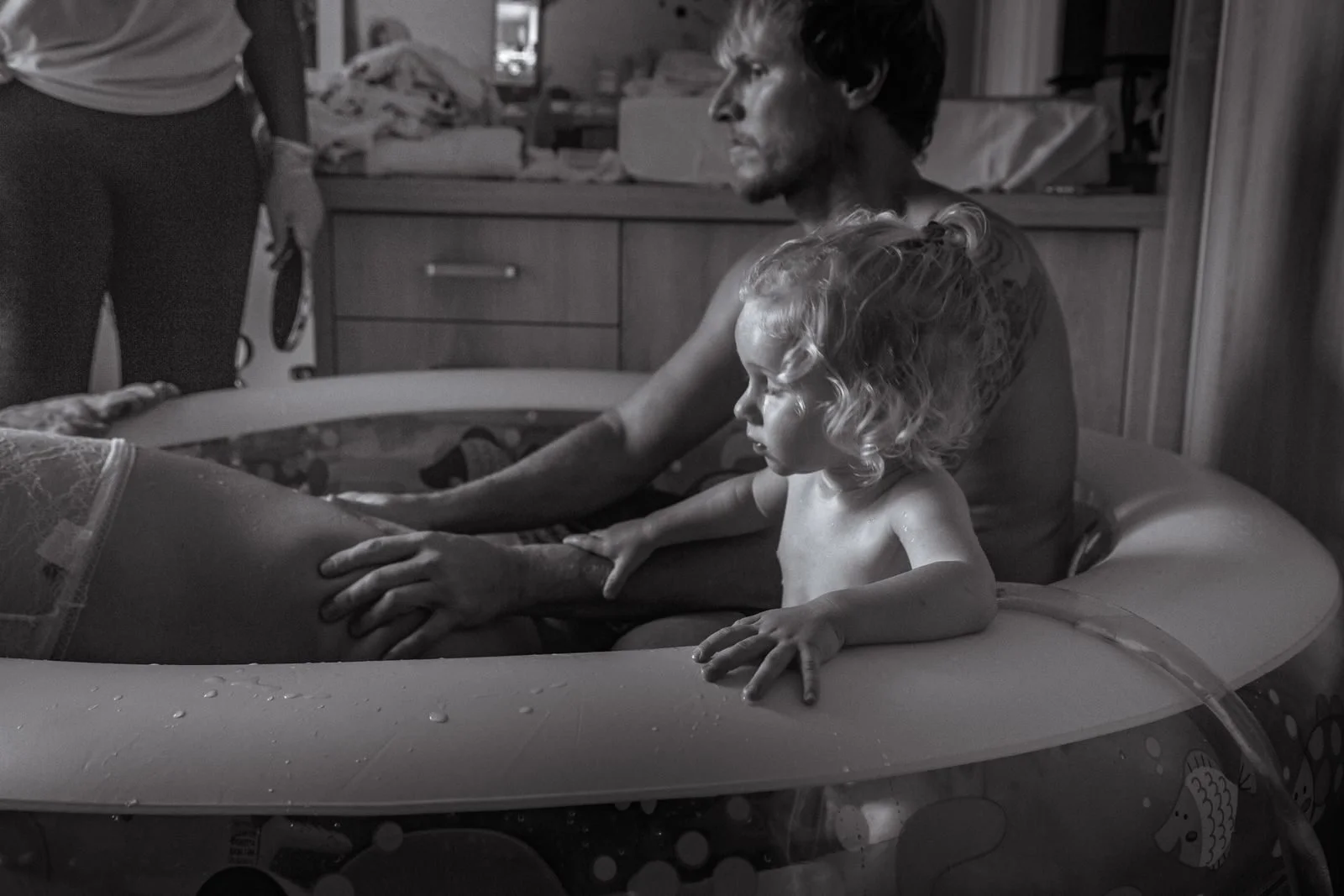
Photo: Marian Sol Miranda / Pexels
Now, the reality. Birthrights' Access Denied report found that two thirds (66%) of the 119 Trusts they had information on had suspended, strictly restricted or frequently interrupted their home birth services in a single year. Their conclusion was that, with all these suspensions and blanket restrictions, home birth isn't a meaningful option for many women in the UK, and it's women from marginalised communities who are hit hardest. To be clear, that's a verdict on the service, not on home birth. There's nothing wrong with birthing at home. The problem is that the service so often isn't there when you need it.
And it really doesn't have to be this way. In the Netherlands, maternity care is built around home birth as a normal, supported choice. If your pregnancy is straightforward, you're looked after by a community midwife and you choose where to have your baby: at home, in a birth centre or in hospital. Obstetric care is there for higher-risk pregnancies, complications, or if you want an epidural. Even after years of decline, around 1 in 8 Dutch babies (12.6% in 2024) are born at home (Perined figures, via the Dutch Healthcare Authority), compared with under 2% in England and Wales (ONS). In Denmark, every woman has a legal right to a midwife at home, even if she's been advised to give birth in hospital (Blix et al., Nordic home birth study). In New Zealand, home birth is built into the system and around two thirds of community midwives offer it, though only about 3.5% of babies are born at home (Maternity Services Consumer Council). And our own Birthplace in England study found that for healthy women having their second or later baby, a planned home birth was just as safe for the baby as a hospital birth, with far fewer interventions. (For first babies the picture is more mixed, which is exactly the kind of honest number you deserve to be given.)
It's not just home birth. Closer to home:

Photo: Renata Rafa / Pexels
Crowborough Birthing Centre paused all births in October 2025 because of staffing pressures. It was meant to reopen in May 2026. It hasn't, and the Trust now says birthing can't return there "at present".
East Sussex has stopped home births and births at Eastbourne Maternity Unit for 24 hours at a time when too many staff are off sick, most recently in December 2025. Before that, the unit was closed to births for nine months, from December 2023 to September 2024, because of staffing.
Think about what that does to a woman planning her birth. You can't build confidence around a service that might vanish on the day, so the sensible-sounding thing is to book the hospital "just in case". Then the notes say she chose a hospital birth. Technically true. About as true as saying I chose to sit in traffic on the A23.
This matters because where you give birth changes what happens to you. The Birthplace in England study of over 64,000 low-risk women found that planning birth in a midwife-led unit meant fewer interventions, including fewer caesareans. Lose those options and you don't just lose a nice birth pool. You change what's likely to happen to your body.
Induction: when "offered" really means "expected"
If there's one place the consent gap shows most clearly, it's induction. You'll often hear it described as being "booked in", as if it were a dentist appointment rather than a medical procedure you're entitled to weigh up and decline.
Here's what women say about it:
In a big Australian survey of birth experiences (Ormsby et al. 2024, summarised by midwife and researcher Dr Sara Wickham), nearly 600 women wrote about their induction, and 93.3% of their comments were about delaying or refusing induction if they gave birth again.
As Sara Wickham reminds us, induction is something you can decline. Plenty of women don't know that.
A small Finnish study published this summer (Ruohonen and Niela-Vilen, 2026) found many women felt unprepared and lacked information about the process and its alternatives.
In Ireland, almost half of women who were induced said they didn't feel fully involved in the decision, and almost a third didn't know they had the right to refuse.
That isn't informed consent. That's being processed. Women and babies are not sausages in a sausage factory!
Offered by category, not by evidence
Women are often steered towards induction because of their skin colour, their weight, their age or a gestational diabetes diagnosis. Sometimes there's a good reason. But often the evidence behind it for that particular group is thin, and nobody says so.
A national English study of over half a million low-risk births (Muller et al. 2023) found a small benefit from induction at 39 weeks: 360 inductions to prevent one adverse outcome for the baby, seen mainly in first-time mums and women from more deprived areas. It found no evidence that the benefit varied by ethnicity. As AIMS pointed out, that means there's no evidence induction would reduce the worse outcomes Black and Asian women face.
And a 2026 research protocol in BMJ Open says it plainly. Stillbirth disproportionately affects Black and Asian mothers, women with obesity and women over 35. Induction may benefit them, but there's no clear evidence yet on when it should be offered.
So the research hasn't caught up for exactly the groups being offered induction "because of who you are". Yet those are the women most likely to hear "we'd recommend booking you in".
And the "big baby"
Scans are notoriously imprecise at estimating weight, and plenty of "big babies" turn out to be perfectly average. Even in a large NHS audit that concluded scans were "quite accurate", only about 3 in 4 weight estimates at term were within 10% of the baby's actual birthweight, and for babies of 4kg or more it was 2 in 3 (Perinatal Institute). On a 4kg baby, 10% is 400g either way.
That matters, because in the last few weeks of pregnancy we want mums-to-be feeling as relaxed, calm and confident as they possibly can. Being told "your baby is too big" on the strength of a measurement that could easily be out by the best part of a pound is scaremongering. It sets off a chain of events from a place of fear, and that can lead to interventions that may not have been needed, with sometimes serious knock-on effects for mum and baby.
And the Big Baby trial, which looked at inducing suspected big babies at 38 weeks? It was stopped early, with 2,893 of the planned 4,000 women, because shoulder dystocia turned out to be rarer than expected. To get a clear answer they'd have needed nearly 13,000 women (the trial paper). In the main analysis, induction made no significant difference (2.3% versus 3.1%); only a secondary analysis showed a small drop. Its own researchers described the result as information that helps women choose. Choose. That's the word. Not "comply".
The result: record caesareans and fewer women going into labour on their own
Put all that together and look at what the system produces. For the first time, caesareans have overtaken natural births in England.
What the figures show
Caesarean births, England 2024-25: 45%, compared with 44% spontaneous vaginal births
Caesarean births, Great Britain (England, Scotland and Wales): 25% in 2015/16 to 42.8% in 2024
Labour starting on its own, England: 59% in 2014-15 to 42% in 2024-25
Caesareans before labour starts (planned or emergency), England: 14% to 28% over the same ten years
So fewer than half of women in England now go into labour on their own, and nearly half give birth by major abdominal surgery.
For comparison, since 1985 the international healthcare community has considered the ideal caesarean rate to be around 10-15%. The World Health Organization found that as rates rise towards 10%, deaths of mothers and babies fall. Above 10%, there's no evidence they fall any further. The WHO doesn't set a target, and rightly so. But we're at more than four times that line, and climbing.
I want to be really clear here. A caesarean can be a lifesaving, positive, chosen birth, and choosing one is every bit as much your right as choosing a home birth. (My Belly Birth Honest Guide exists for exactly that reason.) The problem isn't women having caesareans. It's a system whose defaults, pressures and missing options keep pushing the numbers one way, and then calls the result "choice".
This is not a dig at midwives
Just so nobody gets the wrong idea: midwives do an amazing job. Most of them went into midwifery precisely to support women's choices. They're working inside protocols, targets and staffing levels they didn't design. Often they're the ones being pulled off the home birth rota to plug gaps on the labour ward.
And here's something most families never hear. Midwives regularly witness births that are frightening and traumatic, and very often there's no proper debrief afterwards. They go straight into the next birth carrying that stress. In one national survey of UK midwives, a third of those who'd had a traumatic birth event at work had symptoms consistent with PTSD. Anxious, exhausted people inside an anxious system don't tend to say, "Take your time, there's no rush." That isn't a character flaw, it's a mess the system has made.
Follow the fear
So why is the system so cautious? A big part of the answer is litigation. In 2024/25, maternity claims were worth £3.5 billion, 53% of the value of all clinical negligence claims notified against the NHS in England, despite being only about 11% of claims by number. Former Health Secretary Jeremy Hunt has called it "a matter of national shame that we now spend more on maternity litigation than the total cost of running maternity services".
Every one of those claims represents a family living with real harm, and they deserve answers. But when a service is frightened of being sued, it tends to manage its own risk, not yours. Guidelines get followed to the letter. "Offer" quietly becomes "recommend", which becomes "we'll book you in". Intervening feels defensible on paper, even when waiting would have been just as safe.
The irony is painful. The national reviews keep finding that harm comes from women not being listened to. Baroness Amos's national maternity investigation concluded this summer that the system is no longer fit to consistently deliver high-quality, compassionate care. Here in Sussex, Donna Ockenden is leading an independent review of University Hospitals Sussex, which runs the Royal Sussex in Brighton. It's looking at more than 1,000 families' cases from 2018 onwards, and there's no date yet for its findings. Listening to women and respecting their decisions isn't the opposite of safety. It's a big part of it.
So what do we actually do about it?
The uncomfortable truth is that no national report is going to arrive in time for your birth. Commissioners, taskforces and action plans are lovely, but they move at the speed of a cervix on day three of an induction. Change on the ground happens woman by woman, conversation by conversation. That means you, and it means the people around you.

Photo: Anne-Cécile Robert / Pexels
For your own birth
Ask what's really available, and how reliable it is. "How often has the home birth service been suspended this year?" "Is the birth centre open?" Ask for the answer in writing or in your notes.
Record the conversation. You can record your own appointments with midwives and consultants for your personal use. It's best (and polite) to say you're doing it, and the BMA encourages doctors to agree. Just don't post it online. In my experience, you're much more likely to be given balanced information when the conversation is being recorded, and you can listen back later when you're not feeling flustered.
Know you can decline, delay or ask for time. Induction, a sweep, a scan, a transfer: all are offers. "Can I have some time to think about this?" is a complete sentence.
Use BRAIN. What are the Benefits, Risks and Alternatives? What does your Intuition say? What happens if we do Nothing, or wait? Ask for actual numbers, not "it's safer".
Ask "what's the evidence for someone like me?" If you're being offered induction because of your age, ethnicity, BMI or a scan estimate, it's fair to ask how strong the evidence is for that reason specifically.
Write preferences, not plans. Know your options for every path your birth might take, so a change of route still feels like your decision. (My Your Birth, Your Way guide helps with this.)
If your home birth service is suspended, ask the Trust what else it has considered, including an independent midwife. You're entitled to ask. You can also look at booking your own independent midwife or doula for continuity and support.
Bring backup. A birth partner who knows your wishes, or a doula, can hold your space when you're busy having a baby.
Beyond your own birth
Speak up afterwards. Tell your local Maternity and Neonatal Voices Partnership (MNVP, which used to be called MVP) what worked and what didn't. In Brighton & Hove that's the UHSussex MNVP, which has a short feedback survey for anyone who's given birth in the last year. The good stuff counts too.
Use the formal routes. PALS, a complaint to the Trust, or a letter to your MP. These do get counted.
Get advice if you need it. Birthrights' advice service and factsheets cover your rights, and AIMS has a helpline and brilliant information.
Tell your friends the truth. Not horror stories, just honest ones. The next mum-to-be is far more likely to ask the right questions if someone she trusts told her she could.
Your body, your birth, your call
Birth is grey. It's never one-size-fits-all, and nobody can promise you a particular birth. What you can expect is real options, honest numbers and the space to decide. Your body is yours to make decisions about, in labour as much as at any other time. That isn't a radical idea. It's the law.
That's what we do in our classes here at LushTums. We don't tell you what kind of birth to have. We make sure you know your options, know your rights and feel confident enough to use them. Then whatever path your birth takes, it's yours.
If you'd like to go deeper, my Induction Honest Guide and free Induction Checklist walk you through the decisions step by step. And whatever is going on in the system around you, you can still do your own prep. Our Yoga For Birth workshop gets you and your birth partner physically ready, with how to breathe, move and relax in labour. Or come and join us at a class. Brighton has a long history of women birthing their way, and that's worth protecting together.
Photo: Amy Very (@theveryidea) for LushTums
Clare x
Useful links
Prepare with LushTums
Yoga For Birth workshop and classes in Brighton & Hove: get physically birth-ready, whatever's happening around you
More from the LushTums blog
My Birthing Wish List and My Elected C-Section Birthing Wish List
Birth Trauma Awareness Week: A Healthy Baby Isn't All That Matters
Instagram accounts worth following
@drsarawickham: Dr Sara Wickham, midwife and researcher, brilliant on induction and the evidence behind it
@kemibirthjoyjohnson: Kemi Johnson, birthkeeper and birth activist, outspoken on birth rights
@birthrightsorg: Birthrights, the UK charity for human rights in childbirth
@thebirthuprising: The Birth Uprising, Alix and Jade on navigating the maternity system
@birthbetter: Make Birth Better, campaigning to end birth trauma
@fivexmore_: Five X More, campaigning on Black women's maternal health